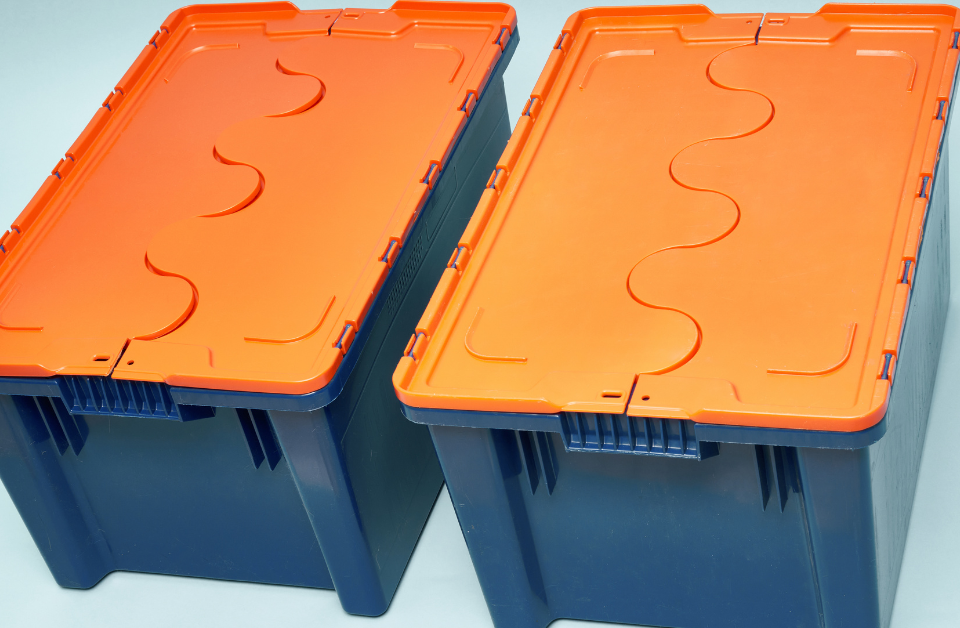

Industrial Plastic Containers vs Food-Grade Containers: What Is the Difference?
Plastic containers are a staple across industries, from logistics and warehousing to food and beverage manufacturing. They serve as the backbone of storage, transport, and processing operations, keeping products safe and operations running efficiently.
However, not all plastic containers are built the same, and using the wrong type can carry real consequences for your business. Understanding the difference between industrial plastic containers and food-grade containers is essential for maintaining safety, compliance, and product integrity.
What Are Industrial Plastic Containers?
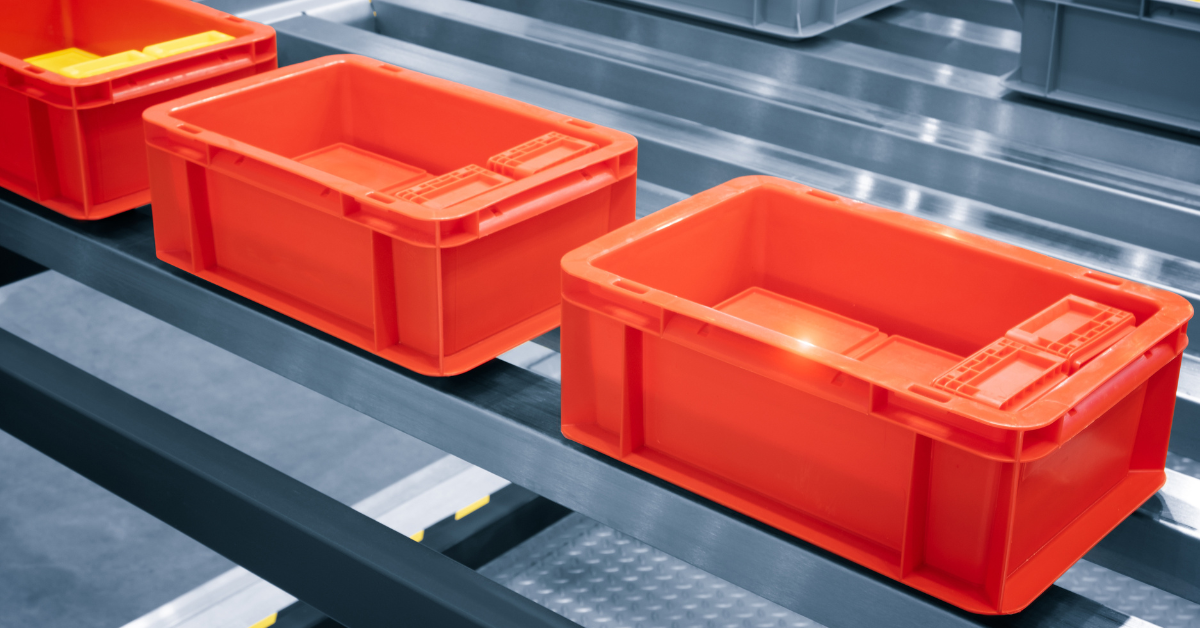
What Are Industrial Plastic Containers (Source: Freepik)
Industrial plastic containers are heavy-duty storage and transport solutions designed for demanding, non-food commercial environments. They are commonly manufactured from materials such as High-Density Polyethylene (HDPE) and Polypropylene (PP), both known for their strength and resistance to chemicals.
These containers are widely used across manufacturing facilities, warehouses, logistics operations, and the chemical industry, where the priority is load-bearing capacity and durability. Key characteristics include high structural strength, resistance to oils, solvents, and harsh chemicals, as well as the ability to withstand extreme temperatures and repetitive use.
What Are Food-Grade Plastic Containers?
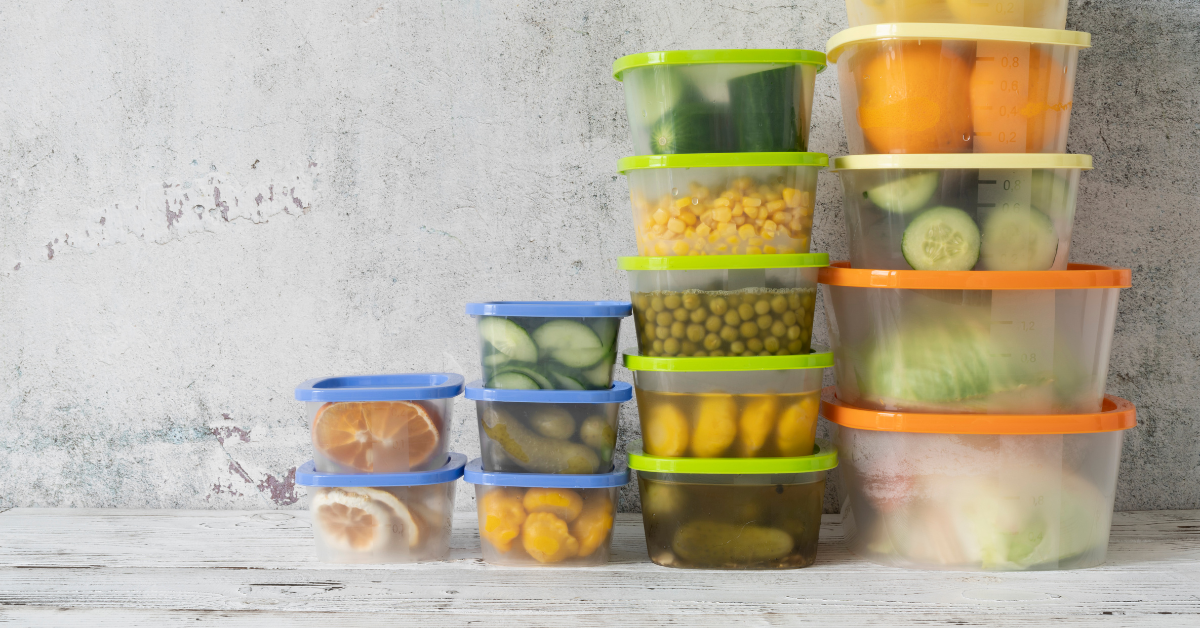
What Are Food-Grade Plastic Containers (Source: Freepik)
Food-grade plastic containers are specifically manufactured to meet strict regulatory standards for safe contact with food products. They must comply with guidelines set by authorities such as the FDA (United States), EU food safety regulations, and local bodies such as the Singapore Food Agency (SFA), ensuring that materials do not contaminate or compromise the food they come into contact with.
These containers are commonly used in food storage, processing, and distribution, making them essential in the F&B industry, catering sector, and retail food supply chain. They are made from non-toxic, BPA-free materials that are resistant to contamination and safe for repeated food contact.
Key Differences Between Industrial and Food-Grade Containers
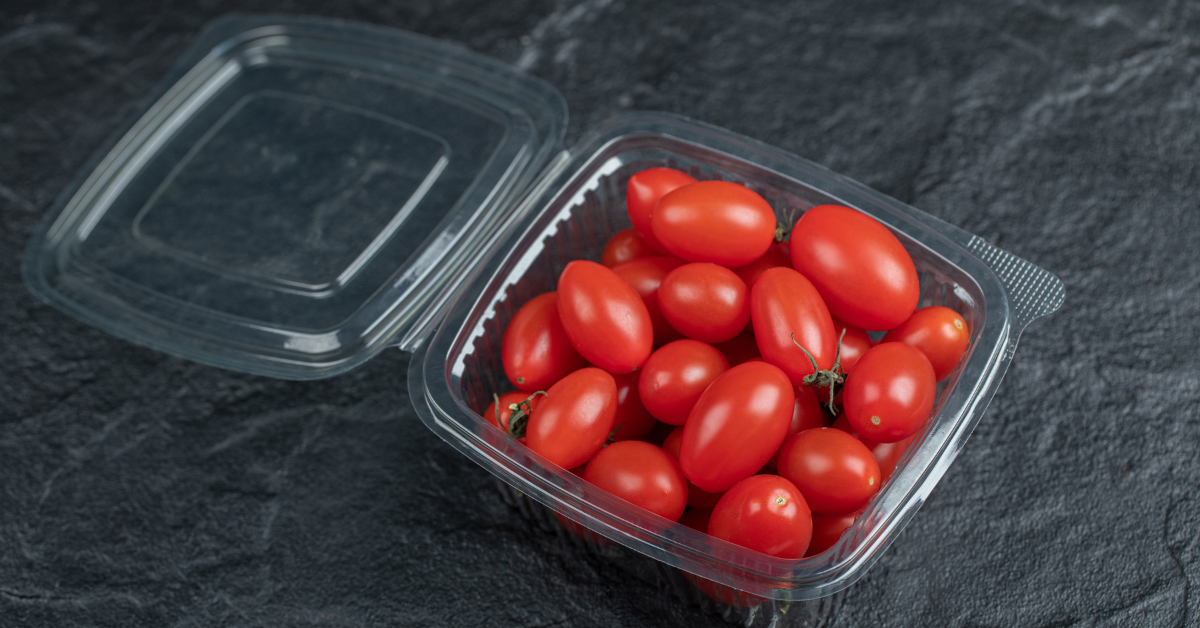
Key Differences Between Industrial and Food-Grade Containers (Source: Freepik)
Material Composition and Safety Standards
The most fundamental difference lies in how the plastic is formulated. Industrial containers may contain additives, colourants, or recycled materials that improve performance under heavy use, but these components are not suitable for food contact. Food-grade containers are made from virgin-grade plastic with controlled additive profiles to ensure there is no chemical leaching into food products.
Regulatory Compliance Requirements
Industrial plastic containers are governed by general product safety and environmental standards, while food-grade containers must meet much stricter food safety certifications. In Singapore and Malaysia, businesses in the food sector are expected to use containers that comply with recognised food safety standards, and failure to do so can result in regulatory action or business licence issues.
Intended Usage and Industry Applications
Industrial containers are designed for non-consumable goods such as spare parts, tools, raw chemicals, and warehouse inventory. Food-grade containers, on the other hand, are intended specifically for use with edible products, ingredients, or beverages, at every stage from production through to consumer delivery.
Durability vs Hygiene Priorities
Industrial containers prioritise structural performance, so they are built to handle heavy loads, stacking, and exposure to rough environments. Food-grade containers balance durability with hygiene design, featuring smooth surfaces, sealed edges, and materials that resist bacterial growth to meet sanitation requirements.
Cost Differences and Investment Considerations
Food-grade containers typically carry a higher price point due to the use of certified virgin materials and the stricter manufacturing controls involved. That said, the investment is necessary for businesses operating in the food sector, as the cost of non-compliance or a contamination incident far outweighs the initial savings from using non-compliant containers.
Risks of Using the Wrong Type of Container
Using an industrial container for food storage introduces the risk of chemical contamination, as non-food-grade plastics may leach harmful substances into products over time, especially when exposed to heat or prolonged contact. This poses a direct risk to consumer health and can result in product recalls or supplier disputes.
From a regulatory standpoint, businesses found using non-compliant containers in food-handling operations can face fines, licence suspensions, or forced closures under local food safety laws. Beyond legal penalties, the reputational damage from a contamination incident can be difficult to recover from. Product integrity is also at stake, as using the wrong container can alter the taste, smell, or shelf life of food products, reducing their value and customer satisfaction.
How to Choose the Right Plastic Container for Your Business

How to Choose the Right Plastic Container for Your Business (Source: Freepik)
Identify Industry Requirements
Start by clearly defining the sector your business operates in and the nature of the goods being stored or transported. If your operations involve any direct or indirect food contact, food-grade certification is non-negotiable.
Consider Load Capacity and Storage Conditions
Assess the weight, volume, and environmental conditions that your containers will be subjected to. Industrial plastic containers are the better choice for heavy-duty, high-load environments, while food-grade containers should be selected for their hygiene compliance alongside their capacity ratings.
Evaluate Hygiene and Safety Needs
Consider how frequently the containers will need to be cleaned, sanitised, and inspected. Food-grade containers are designed to withstand repeated washing and sanitisation without degrading, making them more suitable for operations that require strict hygiene protocols.
Work with a Reliable Plastic Supplier
Partnering with an experienced and reputable plastic supplier ensures that you receive containers that meet the correct specifications for your industry. A reliable supplier will be able to advise you on compliance requirements, suitable materials, and the right container types for your specific operations.
Why Businesses Choose Laiwa Plastic for Container Solutions
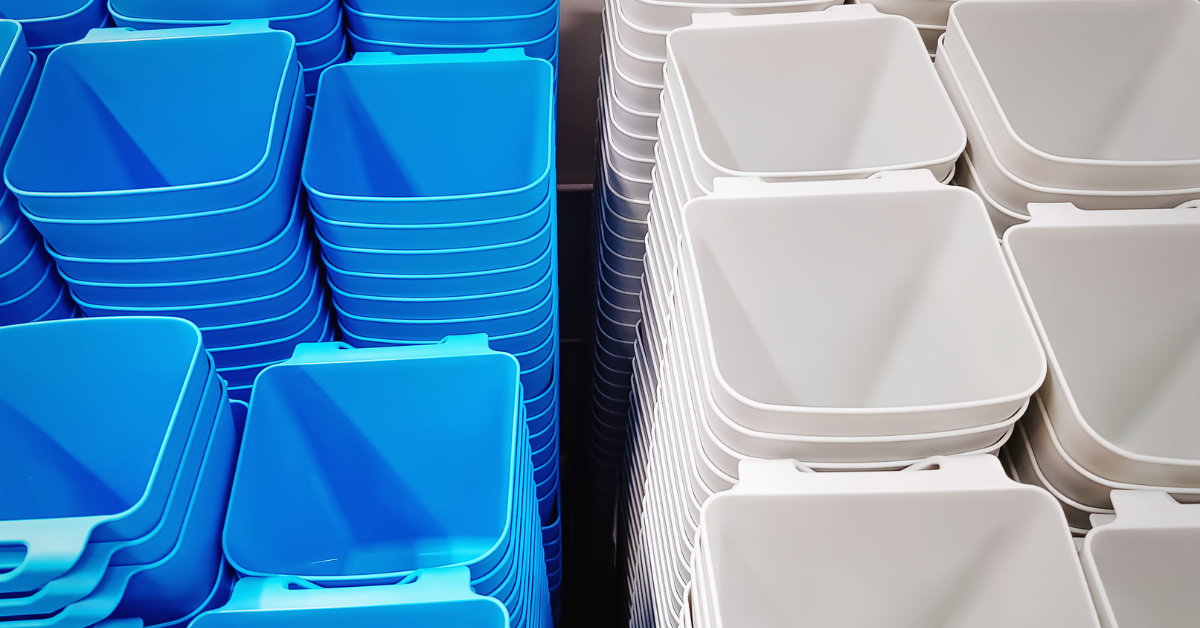
Why Businesses Choose Laiwa Plastic for Container Solutions (Source: Freepik)
Laiwa Plastic and Paper Manufacturing has been supplying businesses across Singapore with quality plastic solutions since 1983. With a comprehensive product range covering both industrial plastic containers and food-grade packaging, Laiwa is a one-stop partner for businesses that require reliable, compliant storage and transport solutions.
Laiwa offers custom sizing and bulk supply capabilities, making it straightforward for businesses to scale their container requirements without compromising on quality or lead times. Every product is held to consistent quality standards, so commercial operations can depend on Laiwa to deliver containers that perform reliably across every use case.
Get the Right Container and Protect Your Business Today
Choosing between industrial plastic containers and food-grade containers is not simply a matter of preference. It is a decision that directly affects the safety of your products, the compliance of your operations, and the reputation of your business.
Whether you need heavy-duty industrial storage or certified food-grade packaging, Laiwa Plastic has the expertise and product range to support your requirements. Contact us today to request a quote or speak with our team about the right container solution for your business.
Frequently Asked Question About Industrial Plastic Containers
What makes a plastic container food-grade? A food-grade plastic container is made from non-toxic, BPA-free virgin plastic that meets recognised food safety standards such as FDA or EU regulations. It must not leach harmful chemicals into food products and should be designed to resist contamination, even under repeated use and cleaning.
Can industrial containers be used for food storage? No. Industrial containers are not manufactured to food safety standards and may contain additives or recycled materials that are unsafe for food contact. Using them for food storage can result in contamination, regulatory penalties, and consumer health risks.
Are food-grade containers more expensive than industrial ones? Food-grade containers generally cost more due to the use of certified virgin materials and the stricter production standards required. However, for businesses in the food sector, this is a necessary investment that protects against far greater costs associated with non-compliance or contamination.
How do I know if a container meets safety standards in Malaysia? Look for containers that are certified to internationally recognised food safety standards such as FDA compliance or EU food contact material regulations. When sourcing locally, work with an established supplier who can provide documentation and product specifications confirming compliance with relevant standards.
What materials are best for heavy-duty industrial storage? HDPE (High-Density Polyethylene) and PP (Polypropylene) are the most commonly used materials for industrial plastic containers. Both offer excellent load-bearing capacity, chemical resistance, and durability, making them well suited for warehousing, manufacturing, and logistics applications.