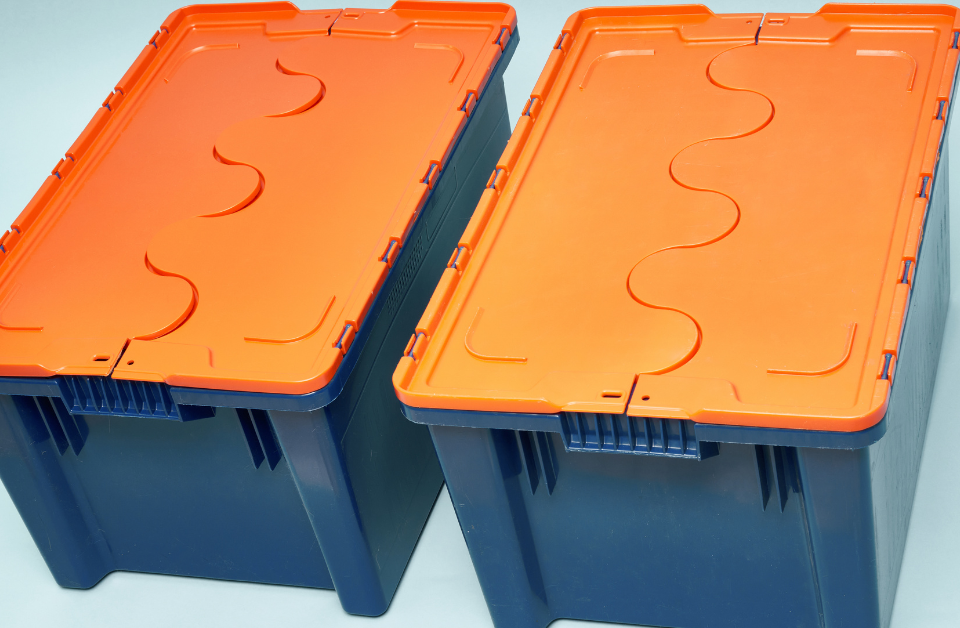

Plastic Packaging for Businesses: Balancing Cost, Durability and Sustainability

The Role of Plastic Packaging in Modern Businesses
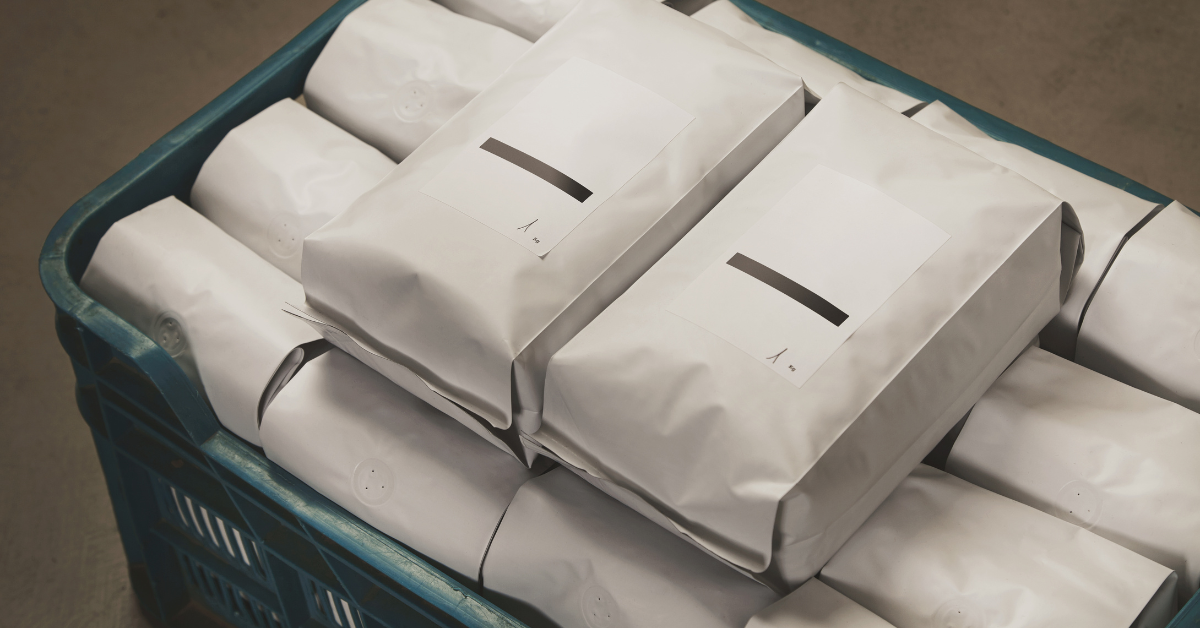
The Role of Plastic Packaging in Modern Businesses (Source: Freepik)
Plastic packaging for businesses is a fundamental part of daily operations across logistics, retail, manufacturing, and food service. It protects products, streamlines storage, and ensures goods reach customers in the condition they were intended to. Without a reliable packaging strategy, businesses risk product damage, inefficiencies, and increased operational costs.
At the same time, the pressure to do more with less is growing. Businesses today are expected to manage packaging costs carefully while responding to rising consumer awareness around sustainability. Striking the right balance between these demands is what separates good packaging decisions from great ones.
Key Factors Businesses Must Balance in Packaging Decisions

Key Factors Businesses Must Balance in Packaging Decisions (Source: Freepik)
Cost Efficiency
Material costs are often the first consideration for any business evaluating plastic packaging. Bulk purchasing can significantly reduce per-unit costs, and choosing materials with a longer lifecycle further reduces the total cost of ownership. Businesses that look beyond the upfront price tag tend to make smarter, more sustainable investments.
Durability and Protection
Packaging that fails during storage or transit creates a cascade of problems, from product returns to reputational damage. Durable plastic packaging is designed to withstand physical stress, moisture, and repeated handling. Investing in high-quality containers from the outset is far more cost-effective than managing the fallout from damaged goods.
Sustainability and Environmental Impact
Regulatory requirements around packaging waste are tightening across many markets, and consumer expectations are shifting in the same direction. Businesses that proactively adopt sustainable packaging practices are better positioned to stay compliant and build brand trust. The good news is that sustainability and cost efficiency are not mutually exclusive when you choose the right solutions.
Types of Plastic Packaging Solutions for Businesses
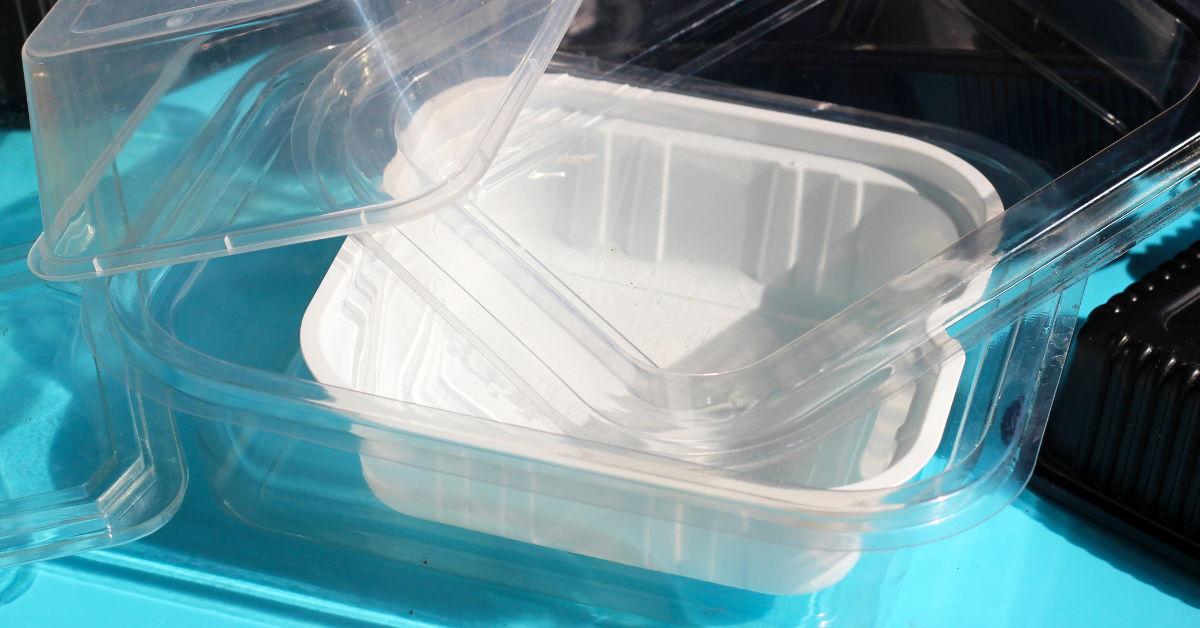
Types of Plastic Packaging Solutions for Businesses (Source: Freepik)
Rigid Plastic Containers
Rigid plastic containers offer consistent structural integrity and are suitable for a wide range of applications, from food storage to industrial components. They are stackable, easy to clean, and built to last. For businesses managing high volumes of goods, rigid containers bring order and efficiency to storage and distribution.
Plastic Storage Boxes and Crates
Plastic storage boxes and crates are among the most versatile solutions in commercial packaging. They are commonly used in warehousing, logistics, and retail backrooms to organise and transport goods efficiently. Their durability makes them especially valuable in environments where packaging is handled frequently and under demanding conditions.
Custom Plastic Packaging Solutions
Not every product fits a standard box, and that is where custom plastic packaging becomes essential. Tailored packaging solutions ensure a better product fit, reducing movement during transit and minimising the risk of damage. Custom solutions also allow businesses to align packaging with their branding and specific operational requirements.
How to Optimise Cost Without Compromising Quality
Bulk Purchasing Strategies
Ordering plastic packaging in bulk is one of the most straightforward ways to reduce cost per unit. Many suppliers offer tiered pricing that rewards higher volume orders, making it worthwhile to consolidate purchases wherever possible. Planning ahead and maintaining adequate stock levels ensures that bulk buying translates into real savings.
Standardisation Across Operations
Using a consistent range of packaging sizes and types across departments reduces procurement complexity and lowers overall costs. Standardisation also makes it easier to manage inventory, train staff, and implement quality controls. It is a simple operational shift that can deliver meaningful efficiency gains over time.
Choosing Reusable vs Single-Use Packaging
Single-use packaging has its place, particularly in food service and hygiene-sensitive applications. However, for many business contexts, reusable plastic packaging delivers better value over time and reduces waste significantly. Evaluating the total cost and environmental impact of each option helps businesses make informed decisions that benefit both the bottom line and the planet.
Sustainable Plastic Packaging: What Businesses Need to Know
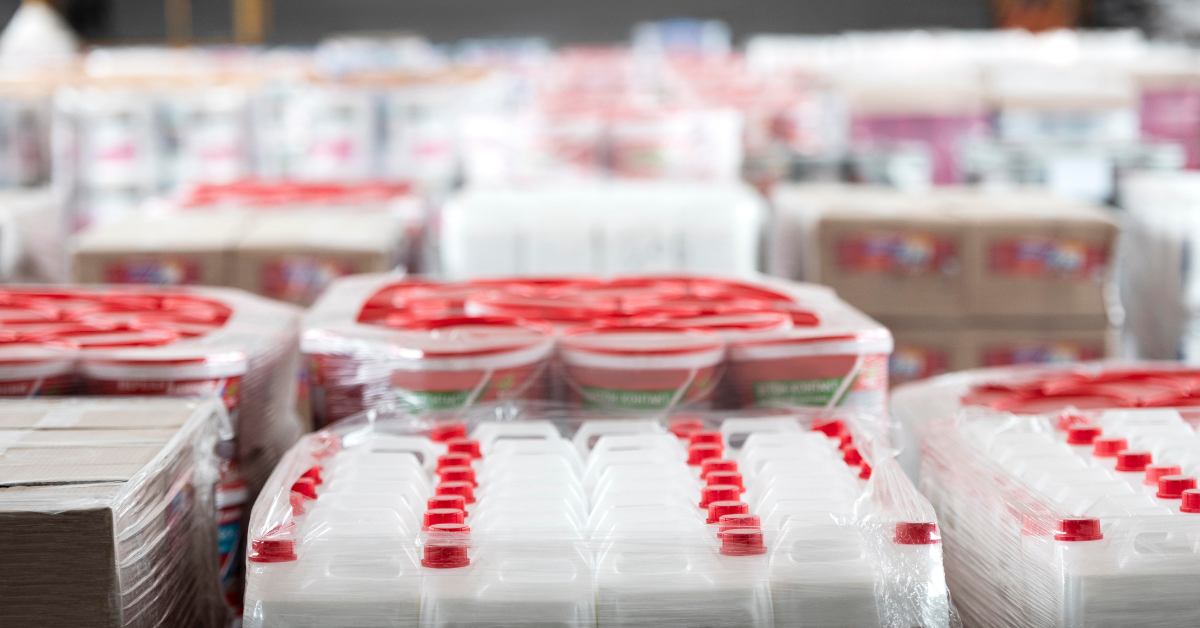
Sustainable Plastic Packaging_ What Businesses Need to Know (Source: Freepik)
Recyclable and Reusable Materials
Switching to recyclable or reusable plastic materials is one of the most impactful steps a business can take towards reducing its environmental footprint. Many high-quality industrial plastics are fully recyclable at end of life, making them a responsible choice without sacrificing performance. Businesses that communicate this to their customers also benefit from strengthened brand credibility.
Reducing Plastic Waste in Operations
Reducing plastic waste starts with a review of current packaging usage and identifying where excess or single-use packaging can be eliminated or replaced. Transitioning to reusable crates, containers, and pallets is a practical first step that many businesses can implement without disrupting operations. Small changes, applied consistently across the supply chain, add up to a meaningful reduction in waste.
Compliance with Environmental Standards
Environmental compliance is no longer optional in many industries, with regulations governing packaging materials, recycled content, and waste management practices. Staying ahead of these requirements protects businesses from penalties and positions them as responsible operators. Partnering with a supplier who understands these standards makes compliance significantly easier to manage.
Durability as a Sustainability Strategy
It is easy to think of durability and sustainability as separate priorities, but they are deeply connected. Packaging that lasts longer means less frequent replacement, which reduces both material consumption and the costs associated with disposal. Choosing robust, long-lasting plastic packaging is one of the most practical sustainability strategies available to businesses of all sizes.
Reducing replacement frequency also lowers the carbon footprint associated with manufacturing and transporting new packaging. When businesses invest in quality upfront, they spend less over time and generate less waste, a clear win on both fronts.
Why Businesses Trust Laiwa Plastic for Packaging Solutions
Since 1983, Laiwa Plastic and Paper Manufacturing has been a trusted partner for businesses across Singapore seeking reliable, cost-effective plastic packaging. With a broad product range spanning industrial containers, food packaging, bakery solutions, and festive packaging, we offer solutions that fit diverse business needs under one roof.
Our bulk supply capabilities ensure that businesses can access competitive pricing without compromising on quality. Every product in our range is built to last, minimising replacement frequency and supporting more sustainable operations. We also offer customisation services for businesses that need packaging tailored to their specific products and branding requirements.
Ready to Find the Right Packaging Solution for Your Business?
Balancing cost, durability, and sustainability in plastic packaging does not have to be complicated. With the right supplier and a clear understanding of your operational needs, you can make packaging decisions that protect your products, support your sustainability goals, and keep costs under control. Get in touch with the Laiwa Plastic team today to explore our full range of plastic packaging solutions and request a custom quote.
Frequently Asked Questions About Plastic Packaging
What is the most cost-effective plastic packaging solution?
Bulk purchasing of standardised, reusable plastic containers is generally the most cost-effective approach for businesses. Reusable options have a higher upfront cost but deliver better value over time by reducing the frequency of replacement purchases.
Is reusable plastic packaging more sustainable?
Yes, in most cases. Reusable plastic packaging reduces the volume of waste generated over time and lowers the demand for new material production. When made from recyclable plastics, these solutions also have a lower environmental impact at end of life.
How can businesses reduce plastic packaging waste?
Start by auditing current packaging usage to identify where single-use materials can be replaced with reusable alternatives. Standardising packaging types across operations and working with a supplier who offers recyclable materials are also effective strategies.
What materials are best for durable plastic packaging?
High-density polyethylene (HDPE) and polypropylene (PP) are widely used for their strength, chemical resistance, and durability. These materials perform well in demanding environments such as warehouses, food production facilities, and logistics operations.
How do I choose the right packaging supplier?
Look for a supplier with a proven track record, a broad product range, and the ability to support both standard and custom packaging needs. Reliability, competitive pricing, and responsive customer service are key indicators of a supplier you can depend on for the long term.