
The Ultimate Guide to Plastic Containers for Commercial & Industrial Use in Singapore

Whether you run a food and beverage operation, manage a warehouse, or oversee procurement for a retail chain, choosing the right plastic containers for commercial use is a decision that affects your daily workflow, compliance standing, and bottom line. This guide covers everything Singapore businesses need to know, from material types and industry-specific applications to supplier selection and sustainability practices.
Why Plastic Containers Are Essential for Singapore Businesses
Why Plastic Containers Are Essential for Singapore Businesses (Source: Freepik)
Plastic containers for commercial use have become a cornerstone of operational efficiency across industries in Singapore. From F&B kitchens to logistics hubs, businesses rely on them to keep goods protected, organised, and compliant with local regulations.
Storage Efficiency in Space-Constrained Warehouses
Singapore’s industrial landscape is defined by limited floor space and high rental costs, making vertical storage and stackable solutions a necessity rather than a luxury. Commercial plastic containers are designed to maximise cubic capacity, with standardised dimensions that allow them to be stacked safely and retrieved without disrupting neighbouring units. A well-organised container system reduces picking time, lowers the risk of stock damage, and helps warehouse teams operate more productively within tight footprints.
Hygiene & Compliance Requirements in Singapore
Singapore businesses operating in food production, healthcare, and hospitality are subject to strict hygiene standards enforced by agencies such as the Singapore Food Agency (SFA) and the National Environment Agency (NEA). Commercial-grade plastic containers that are food-safe, non-porous, and easy to sanitise help businesses meet these standards consistently. Using the right containers is not just good practice; it is a compliance requirement that protects your licence to operate.
Durability for High-Volume Operations
In a high-throughput commercial environment, containers are handled dozens of times a day by multiple staff members, often under physical stress such as heavy loads, temperature fluctuations, and frequent transport. Durable plastic containers for commercial use are engineered to withstand these conditions without cracking, warping, or losing structural integrity. Investing in quality upfront reduces replacement costs and minimises operational disruptions over time.
Types of Plastic Containers Used in Singapore
Types of Plastic Containers Used in Singapore (Source: Freepik)
Understanding the different types of commercial plastic containers available helps businesses match the right product to their specific operational needs.
Plastic Containers with Lids
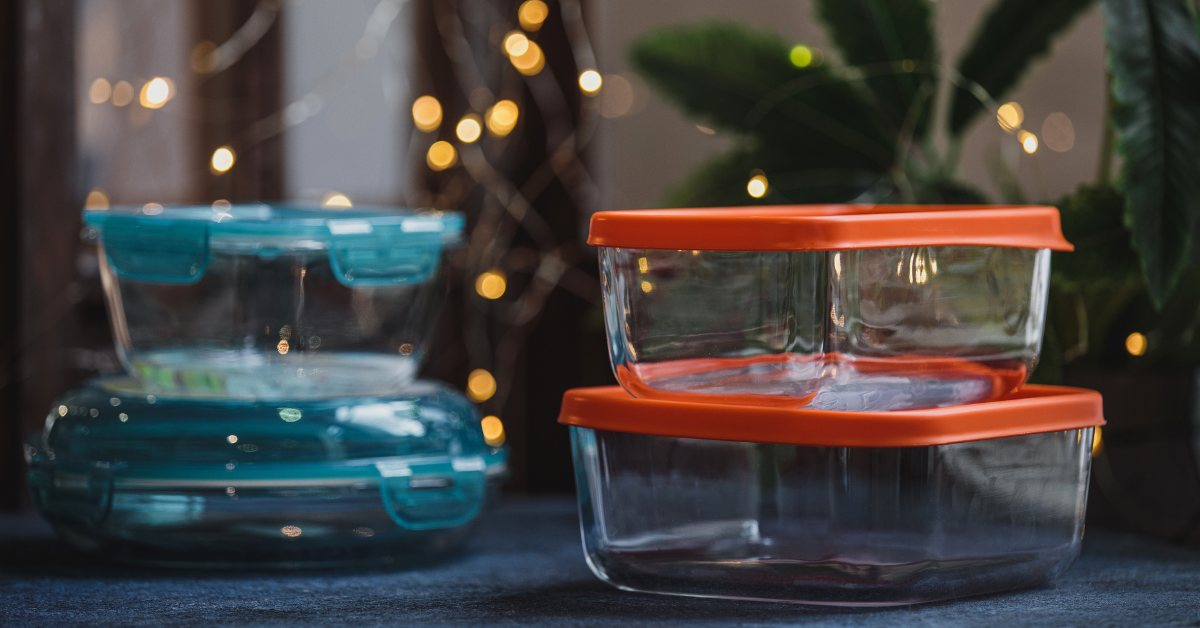
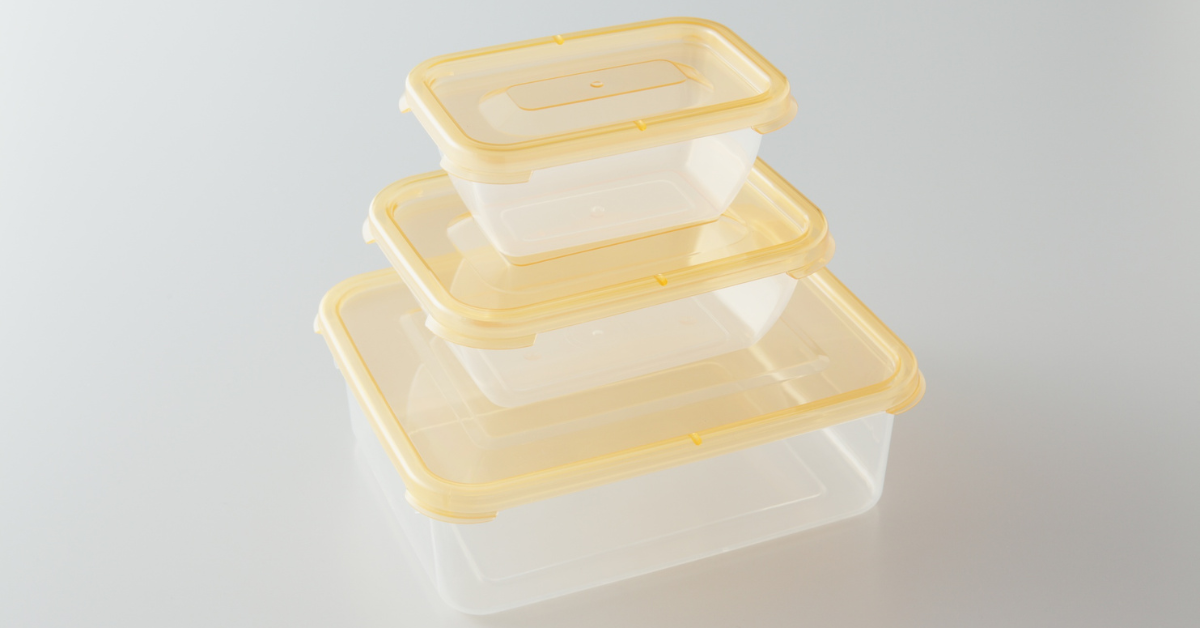
Lidded containers are among the most versatile options for commercial use, providing a secure enclosure that protects contents from dust, pests, moisture, and contamination. They are widely used in food storage, ingredient organisation, and retail back-of-house operations. Lids also improve stackability, allowing containers to be loaded one on top of another without the risk of contents spilling or mixing.
Lock-Lid & Airtight Containers
For applications that demand a higher level of protection, lock-lid and airtight containers provide a sealed environment that keeps contents fresh and uncontaminated for extended periods. These are particularly valuable in food production and pharmaceutical settings, where exposure to air, humidity, or contaminants can compromise product quality or safety. The locking mechanism also adds a layer of security during transport.
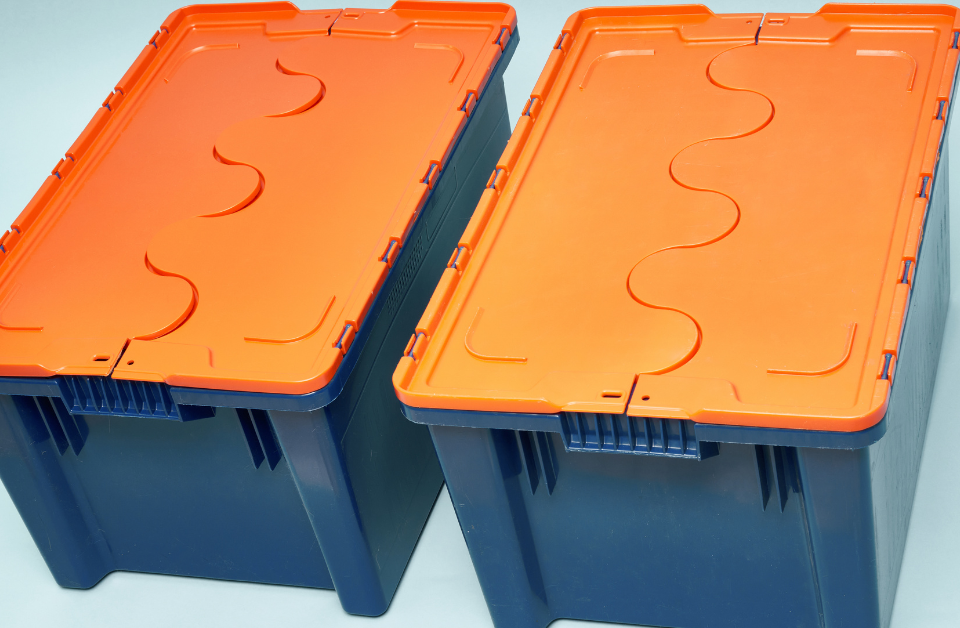
Heavy-Duty Industrial Containers
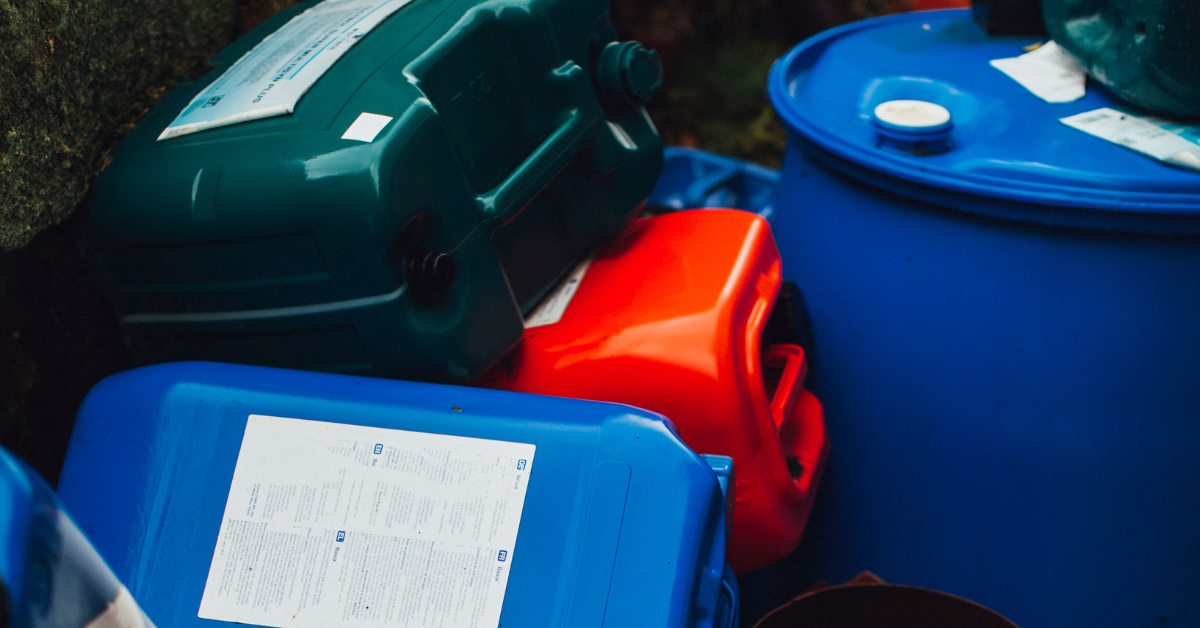
Heavy-duty containers are built for the most demanding commercial environments, including manufacturing plants, logistics depots, and construction sites. Constructed from thick-walled polypropylene or high-density polyethylene, these containers can carry substantial loads and resist impact, UV exposure, and chemical contact. They are commonly used for bulk material storage, parts management, and cross-facility distribution.
Food-Grade Plastic Containers
Food-grade containers are manufactured from materials certified as safe for direct contact with consumables, meaning they do not leach harmful chemicals into food or beverages under normal use conditions. In Singapore’s F&B sector, using certified food-grade containers is both a regulatory requirement and a mark of quality assurance for customers and auditors alike. These containers are typically BPA-free and meet international food safety standards such as those set by the U.S. Food and Drug Administration (FDA) or the European Food Safety Authority (EFSA).
Tote Boxes for Logistics & Warehousing
Tote boxes are open-top, rectangular containers designed for the efficient movement of goods across a facility or between locations. They are a staple in warehousing, e-commerce fulfilment, and retail replenishment operations due to their ease of loading, unloading, and stacking. Available in a range of sizes and load capacities, tote boxes can be integrated into conveyor systems, racking solutions, and dolly or trolley setups for seamless material flow.
Plastic Container Materials Explained
Plastic Container Materials Explained (Source: Freepik)
The material composition of a commercial plastic container determines its suitability for different applications, temperatures, and regulatory requirements.
Polypropylene (PP)
Polypropylene is one of the most widely used plastics in commercial container manufacturing due to its excellent balance of rigidity, chemical resistance, and lightweight properties. PP containers can withstand temperatures of up to approximately 120°C, making them suitable for use in environments where moderate heat exposure is expected, such as commercial kitchens and food processing facilities. They are also highly resistant to most acids, bases, and solvents, which makes them a practical choice for chemical and industrial storage.
High-Density Polyethylene (HDPE)
HDPE is valued for its superior strength-to-weight ratio and resistance to impact, moisture, and a broad range of chemicals. It is the preferred material for heavy-duty industrial containers, drums, and white pails used in sectors such as agriculture, construction, and food manufacturing. HDPE is also recyclable under Singapore’s national recycling framework, which makes it an attractive option for businesses looking to reduce their environmental footprint.
PET (Polyethylene Terephthalate)
PET is a lightweight, transparent plastic commonly used in food and beverage packaging due to its clarity, barrier properties, and compatibility with food-safe standards. It is particularly popular for single-use or short-cycle commercial applications such as takeaway food containers, juice bottles, and clear display packaging. PET has a high recycling rate globally and is accepted under Singapore’s domestic recycling programmes.
BPA-Free and Food-Safe Standards
Bisphenol A (BPA) is a chemical historically used in the production of polycarbonate plastics, and there are ongoing regulatory concerns about its potential health effects when it migrates into food or beverages. Reputable commercial plastic container suppliers in Singapore offer BPA-free alternatives that meet international food-safe certifications, giving businesses and their customers greater peace of mind. Always verify that containers intended for food contact carry the appropriate food-grade certification before procurement.
Plastic Containers with Lids: When Are They Necessary?
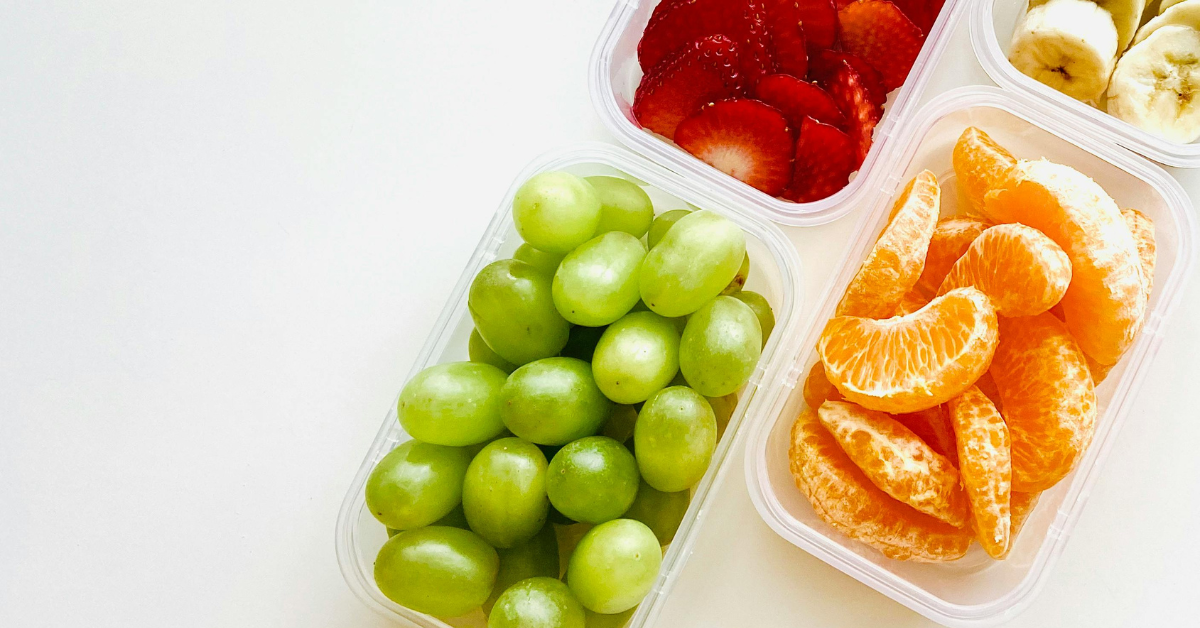
Plastic Containers with Lids_ When Are They Necessary (Source: Freepik)
Not every storage situation requires a lid, but there are several commercial contexts where lidded containers are not just beneficial but essential.
Preventing Contamination in Food Storage
In any food-handling environment, an uncovered container is a liability. Lids create a physical barrier against airborne contaminants, insects, cross-contact from other ingredients, and accidental spills. For businesses operating under SFA guidelines, covered food storage is a standard requirement that inspectors will look for during audits and licensing reviews.
Protecting Inventory in Warehouses
Beyond food environments, lidded containers protect stored goods from dust accumulation, moisture ingress, and physical tampering during storage or transit. This is especially relevant for businesses holding high-value components, sensitive materials, or goods with a long shelf life in open warehouse environments. A secure lid also reduces the risk of inventory loss from spillage or accidental displacement.
Improving Stackability and Space Optimisation
A flat, closed lid surface creates a stable platform for stacking additional containers, which is critical in space-constrained Singapore warehouses where vertical storage is prioritised. Containers without lids are inherently less stable when stacked, creating safety risks and reducing the total height that can safely be achieved. Lidded containers, particularly those with interlocking or recessed lid designs, provide a more secure and efficient stacking configuration.
Plastic Containers for Different Industries in Singapore
Types of Plastic Containers Used in Singapore (Source: Freepik)
Different sectors have distinct requirements when it comes to commercial plastic containers. Here is how leading industries in Singapore use them.
F&B and Catering Businesses
Food and beverage businesses rely on a combination of food-grade containers, lidded storage, and food packaging solutions to manage ingredients, prep work, and takeaway orders. Airtight containers preserve the freshness of perishables, while stackable tote boxes help with the efficient movement of produce between cold rooms and preparation areas. For catering operations serving events or institutions, standardised container sizes simplify portioning, transport, and service.
Retail and Supermarkets
Retail environments use plastic containers for back-of-house storage, display organisation, and stock replenishment workflows. Tote boxes and storage containers help supermarkets manage high SKU volumes with consistency, reducing the time staff spend searching for products. Clear or colour-coded container options also support visual management systems that improve operational accuracy on the shop floor.
Pharmaceutical and Healthcare
The pharmaceutical and healthcare sectors demand the highest level of material safety, dimensional consistency, and cleanliness from their storage containers. Containers used in these environments must be compatible with sterilisation processes, resistant to chemical exposure, and traceable to certified food-safe or pharmaceutical-grade material standards. Even minor lapses in container quality can compromise product integrity and patient safety.
E-Commerce Fulfilment
Singapore’s growing e-commerce sector has driven significant demand for efficient, scalable fulfilment infrastructure, and plastic tote boxes are central to that infrastructure. Fulfilment centres use them at every stage of the pick-pack-ship process, from goods receiving and bin storage to order picking and dispatch staging. Standardised tote dimensions allow them to integrate smoothly with automated sorting systems and conveyor lines.
Manufacturing & Industrial Storage
Manufacturing facilities use heavy-duty plastic containers to organise raw materials, work-in-progress parts, and finished goods at every stage of the production line. Industrial containers in this setting need to be load-bearing, resistant to oils and chemicals, and compatible with forklift or pallet handling. Colour-coded container systems are also widely adopted in manufacturing environments to support lean production and 5S organisational methodologies.
Cost Comparison: Reusable vs Disposable Plastic Containers
Choosing between reusable and disposable plastic containers is a significant procurement decision that affects both operational cost and environmental impact.
Long-Term ROI of Durable Containers
Reusable commercial plastic containers carry a higher upfront cost than disposable alternatives, but their long-term return on investment is significantly more favourable for businesses with consistent storage and logistics needs. A well-maintained heavy-duty container can serve a commercial operation for several years, absorbing thousands of use cycles before requiring replacement. When calculated on a per-use basis, the cost advantage of reusable containers over disposables becomes compelling very quickly.
Replacement Frequency Considerations
Disposable containers require ongoing replenishment, which means recurring procurement costs, storage of surplus stock, and increased waste output. For businesses processing high volumes of goods daily, the cumulative cost of disposables can exceed that of a durable reusable container set within a matter of months. Tracking replacement frequency and average lifespan helps procurement teams make a data-driven case for switching to or maintaining reusable container systems.
Cost Per Use Analysis
A practical way to evaluate container procurement options is to divide the total cost of the container by the number of times it is used over its operational lifespan. A reusable container costing SGD 20 that lasts 500 uses has a cost per use of SGD 0.04, while a disposable container costing SGD 0.50 per unit has a cost per use that is more than ten times higher. Conducting this analysis across your product range helps businesses identify where switching to reusable options generates the greatest savings.
How to Choose a Reliable Plastic Container Supplier for Singapore Delivery
Selecting the right supplier for plastic containers for commercial use is as important as selecting the right product. Here are the key criteria to evaluate.
Quality Consistency
A reliable supplier maintains consistent product quality across every batch, so you are not dealing with dimensional variances, material defects, or lid fitment issues that disrupt your operations. Request product samples before committing to a bulk order, and establish clear quality benchmarks that the supplier is expected to meet on every delivery. Laiwa Plastic & Paper Manufacturing has built its reputation since 1983 on delivering consistent product quality to commercial and industrial clients across Singapore.
Bulk Order Capabilities
Commercial operations often require large volumes of containers, and your supplier must be able to fulfil bulk orders reliably without compromising on lead time or quality. Confirm the supplier’s minimum order quantities, production capacity, and ability to scale up during peak demand periods such as festive seasons or major sales events. A supplier with robust inventory management and warehousing infrastructure is better positioned to support your procurement needs consistently.
Cross-Border Logistics from Malaysia
Many plastic container suppliers serving Singapore source or manufacture their products in Malaysia, which can offer cost advantages when combined with efficient cross-border logistics. It is important to choose a supplier with established cross-border supply chains, customs compliance expertise, and reliable delivery schedules to Singapore. Laiwa’s operational experience spanning Singapore and the broader region gives clients confidence in consistent, on-time delivery regardless of order size.
Lead Times & Inventory Planning
Unexpected stockouts of essential commercial containers can halt production lines, delay order fulfilment, or cause compliance issues in food or healthcare environments. Discuss lead times and reorder cycles with your supplier upfront, and consider establishing a consignment or standing order arrangement for high-usage container types. Proactive inventory planning with a trusted supplier prevents costly disruptions and ensures your operations run without interruption.
Sustainability & Recycling of Plastic Containers in Singapore
As Singapore moves toward its national sustainability targets, businesses are under increasing pressure to adopt more responsible practices around plastic use and disposal.
Reusable Industrial Containers
Transitioning from single-use to reusable industrial containers is one of the most impactful steps a commercial business can take to reduce its plastic waste output. Reusable containers lower the total volume of plastic entering the waste stream and reduce the frequency of procurement, cutting both costs and carbon footprint simultaneously. Many of Laiwa’s industrial container offerings are designed with longevity in mind, supporting businesses in making this shift without compromising operational performance.
Recycling Practices
Singapore operates a national recycling programme that accepts a range of plastic types, including HDPE and PET, through blue recycling bins and the National Recycling Programme managed by licensed waste collectors. Businesses generating significant volumes of used commercial plastic containers should consider segregating clean plastic waste for recycling rather than disposing of it in general waste. Some suppliers and industry associations also offer take-back or collection programmes for large-volume commercial plastics.
Aligning with Singapore Green Plan 2030
The Singapore Green Plan 2030 sets out ambitious national targets across sustainability pillars, including a commitment to reduce the amount of waste sent to Semakau Landfill each day. Businesses that actively work to reduce single-use plastic consumption, invest in reusable container systems, and recycle responsibly contribute directly to these national goals. Aligning your procurement practices with the Green Plan also positions your business favourably with customers, partners, and regulatory stakeholders who are paying closer attention to corporate sustainability commitments.
Ready to Source the Right Plastic Containers for Your Business?
Selecting the right plastic containers for commercial use is a decision that touches every part of your operation, from compliance and hygiene to logistics efficiency and long-term cost management. With over four decades of experience serving Singapore’s commercial and industrial sectors, Laiwa Plastic & Paper Manufacturing offers a trusted, comprehensive range of plastic containers backed by consistent quality, competitive pricing, and reliable delivery.
Explore our full range of industrial containers, food-grade storage solutions, tote boxes, and packaging products at laiwaplastic.com, or contact our team today to request a custom quote for your business.
Frequently Asked Questions About Plastic Containers in Singapore
Are plastic containers safe for hot food?
It depends on the material. Polypropylene (PP) containers are generally rated for temperatures up to approximately 120°C and are widely used for hot food applications in Singapore’s F&B sector. PET containers, on the other hand, are not recommended for hot food as they may deform or release compounds when exposed to high temperatures. Always check the material specification and temperature rating printed on the container before using it for hot food storage or service.
What is food-grade plastic?
Food-grade plastic refers to materials that have been tested and certified as safe for direct contact with food and beverages, meaning they do not leach harmful chemicals under normal use conditions. Common food-grade plastics include PP, HDPE, and certain grades of PET, all of which meet standards set by international food safety authorities. In Singapore, businesses purchasing food-grade containers should look for certifications aligned with FDA, EFSA, or equivalent standards and confirm that their supplier can provide material safety documentation upon request.
Can plastic containers be recycled in Singapore?
Yes, many types of plastic containers can be recycled in Singapore through the National Recycling Programme. HDPE and PET containers in particular have relatively high recycling rates and are accepted at blue recycling bins located across residential and commercial estates. Containers should be clean and free of food residue before being placed in recycling bins, as contaminated plastics are typically rejected by recycling facilities and sent to incineration instead.
What type of plastic is best for industrial use?
High-density polyethylene (HDPE) and polypropylene (PP) are the most commonly recommended materials for industrial plastic containers due to their high load-bearing capacity, chemical resistance, and durability under demanding conditions. HDPE is particularly suited to heavy-duty applications involving chemicals, liquids, or bulk materials, while PP offers a good balance of rigidity and heat resistance for general industrial storage. For the most demanding applications, heavy-duty versions of these materials with reinforced walls and ribbed bases provide additional structural performance.
How do I buy plastic containers in bulk for Singapore delivery?
The most efficient way to purchase plastic containers in bulk for Singapore delivery is to work directly with an established local supplier such as Laiwa Plastic & Paper Manufacturing, which offers a comprehensive range of commercial and industrial containers with proven logistics capabilities. Contact the supplier with your container specifications, required quantities, and delivery timeline, and request a custom quote tailored to your order volume. Laiwa’s team can be reached at sales@laiwaplastic.com or by calling +65 6566 7478 to discuss your requirements and arrange a bulk order with Singapore delivery.